




























LASER LEVEL
Filters
8 products


KAIWEETS Laser Levels: The Professional Precision Guide
Precision is the backbone of every successful project. KAIWEETS high-visibility laser levels are engineered to streamline your workflow with industry-leading accuracy. Whether you are managing large-scale commercial builds or precision home renovations, our self-leveling laser level ensures a faster, more accurate layout with zero compromise.
What Is a Laser Level and What Can It Do?
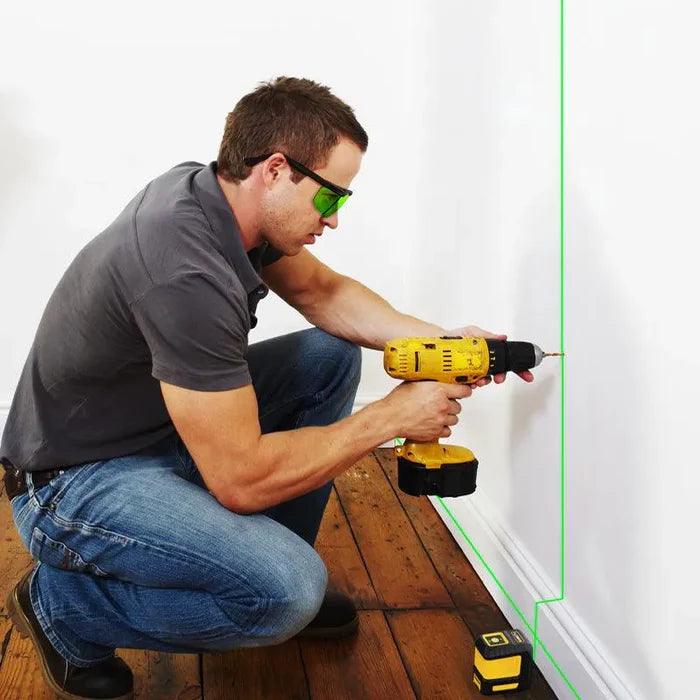
A laser level projects a perfectly straight horizontal or vertical beam of light onto a surface. It serves as a visual chalk line that never fades and requires no second set of hands to hold.
In modern construction, these tools are indispensable for:
- Interior Finishing: Aligning kitchen cabinets, installing drop ceilings, and tiling walls with millimeter precision.
- Structural Work: Squaring foundations, framing walls, and ensuring windows and doors are perfectly plumb.
- Electrical and Plumbing: Aligning conduits, light switches, and pipe runs across long distances.
- Exterior Projects: Setting fence posts, grading land, and building decks when paired with a laser receiver.
How to Choose the Right Laser Level
Selecting the right laser level depends on how and where it will be used. Consider these five technical factors before making your purchase:
1. Accuracy and Self-Leveling
Accuracy describes how closely a laser level projects a true horizontal or vertical line over distance. It is typically listed as a tolerance, such as ±1/8 inch at 30 feet or ±3 mm at 10 meters. While the units may differ, the concept is the same: the specification indicates how much the laser line can deviate from true level over a given distance. Smaller tolerance values indicate higher precision.
Self-leveling refers to the laser level’s ability to automatically adjust itself to true level within a specified tilt range. This range is often expressed as a number of degrees, such as ±3° or ±4°. As long as the tool is placed within this range, it will level itself without manual adjustment.
As a general guideline, a good self-leveling laser should offer a wide enough leveling range to handle typical jobsite.
2. Laser Visibility and Brightness
The human eye is roughly four times more sensitive to green light than red light. While red lasers are often more budget-friendly and sufficient for dark indoor spaces, Green Beam Laser Levels provide superior visibility in bright indoor environments and over longer distances.
However, color alone does not determine visibility. Laser brightness and clarity can vary depending on factors such as diode quality, optical components, and beam shaping technology. As a result, laser levels with the same color rating may perform differently in real-world conditions.
3. Number of Beams and Projection Options
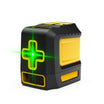
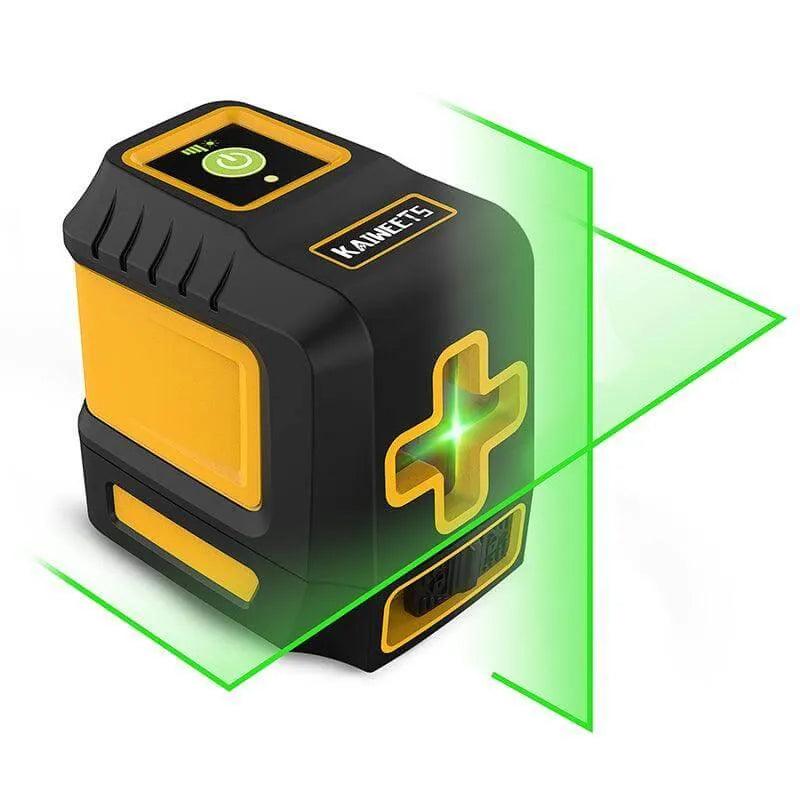
- Cross-Line Lasers: Project one horizontal and one vertical line. These are ideal for basic tasks like hanging shelving or wallpaper.
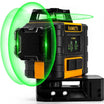
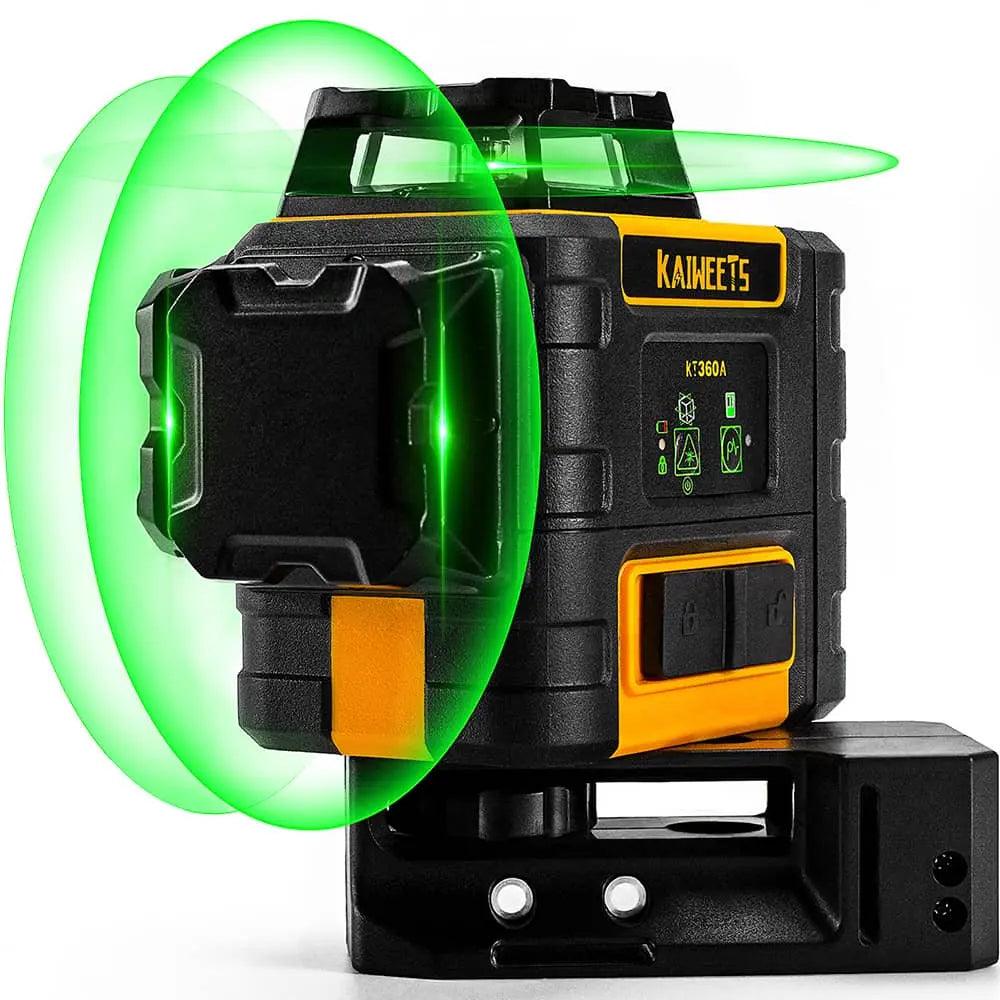
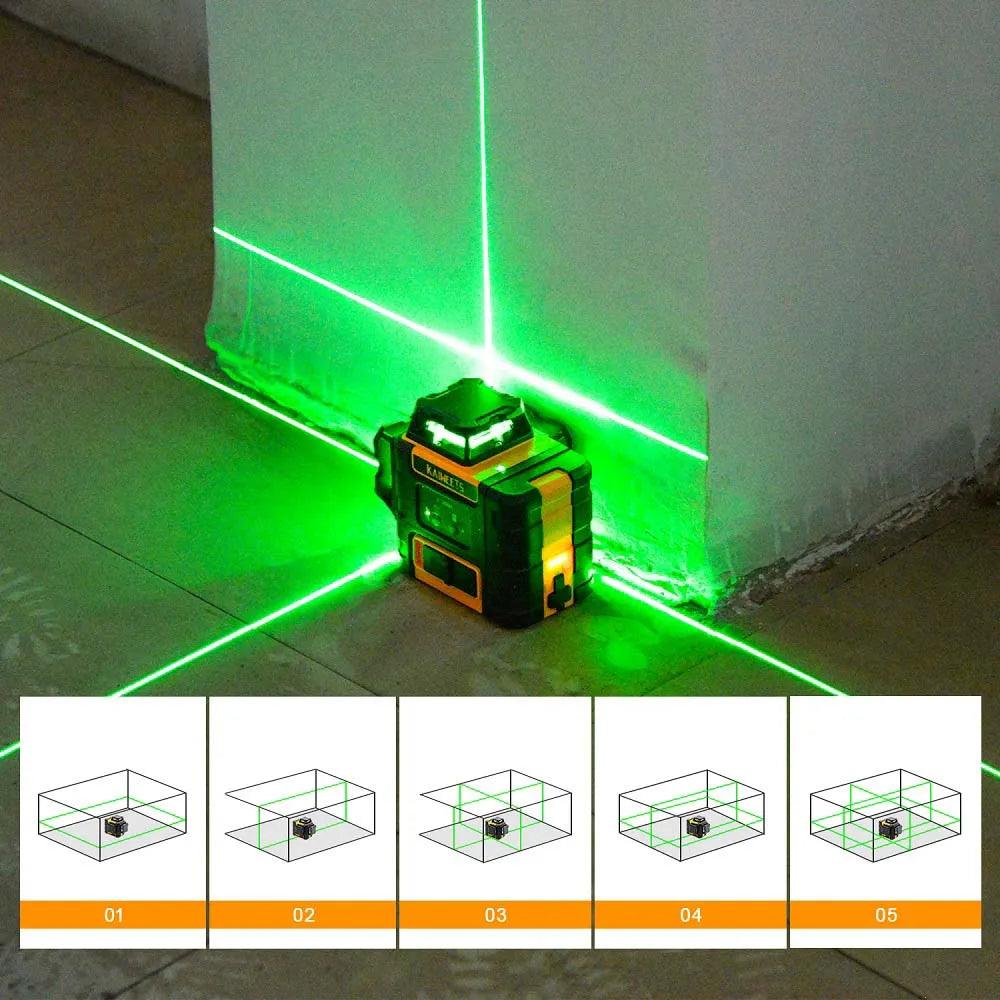
- 3x360° and 4x360° Lasers: Often called "3D" or "4D" lasers, these project lines around the entire room simultaneously. This allows for seamless point transfer from floor to ceiling or wall to wall without moving the device.
4. Range and Detection Capability
As a general guideline, a good laser level should provide clear, stable lines that remain easy to see across the size of the space you are working in. For typical indoor rooms, this means the laser line should be visible without strain at normal working distances.
If visibility becomes difficult due to distance or lighting conditions, the tool should offer a way to extend its effective working range, such as support for Pulse Mode and a compatible receiver. This ensures the laser remains usable as project size and conditions change.
5. Durability and Battery Life
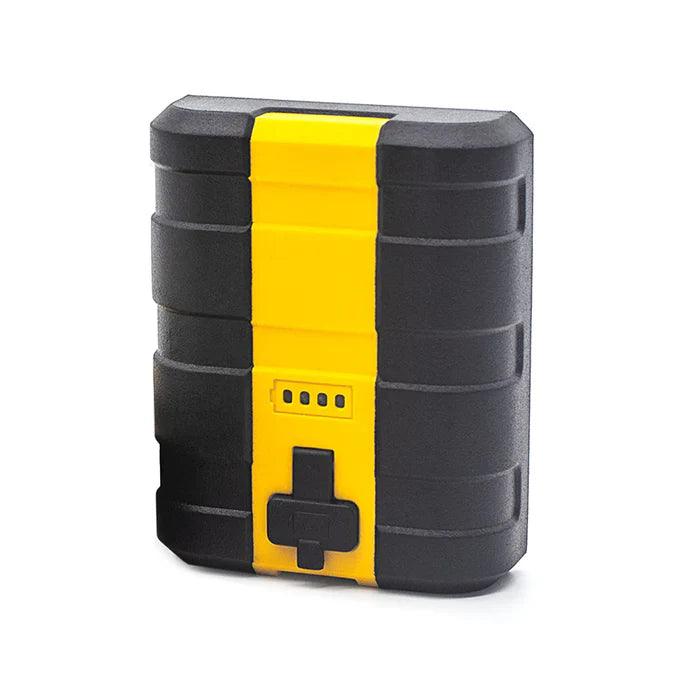
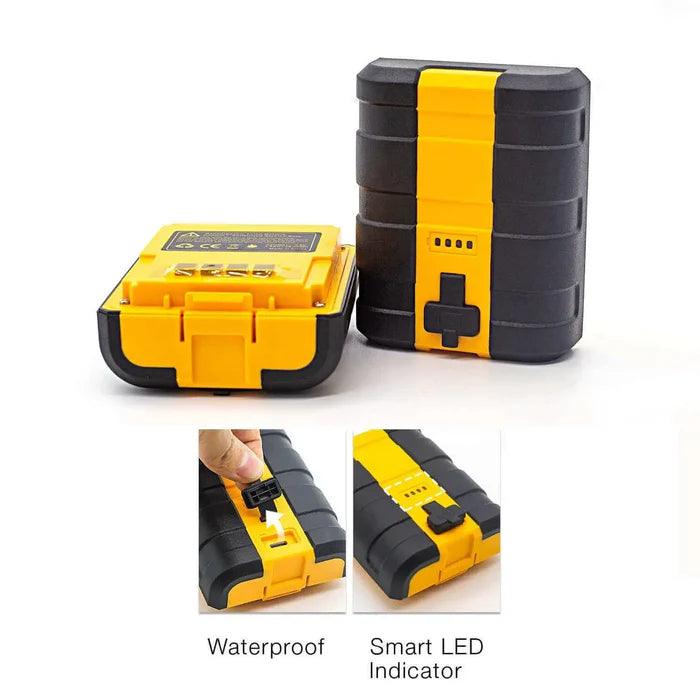
Laser levels are frequently used on job sites or in harsh environments, so durability is important. Look for laser levels with rugged, impact-resistant housings that are also dustproof and water-resistant (often with an IP rating). Additionally, consider power sources: high-capacity Li-ion batteries with modern charging ports (like Type-C) are now the industry standard for ensuring a tool lasts through a full workday.
Laser Level Accessories: What You Need and When to Use Them
In addition to the laser level itself, several accessories can enhance its functionality and ensure you get the most out of your tool. Here’s a breakdown of the key accessories that are commonly used with laser levels, along with their roles and recommended use cases.
Laser Receiver
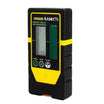
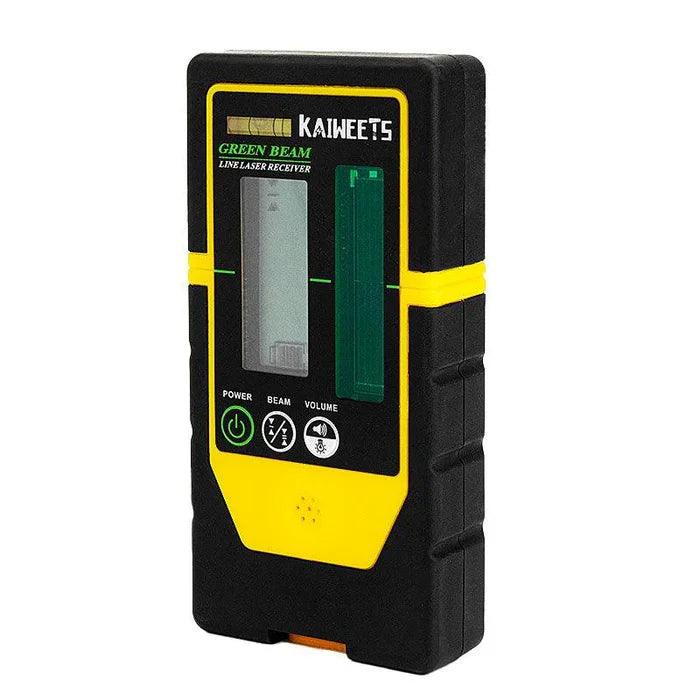
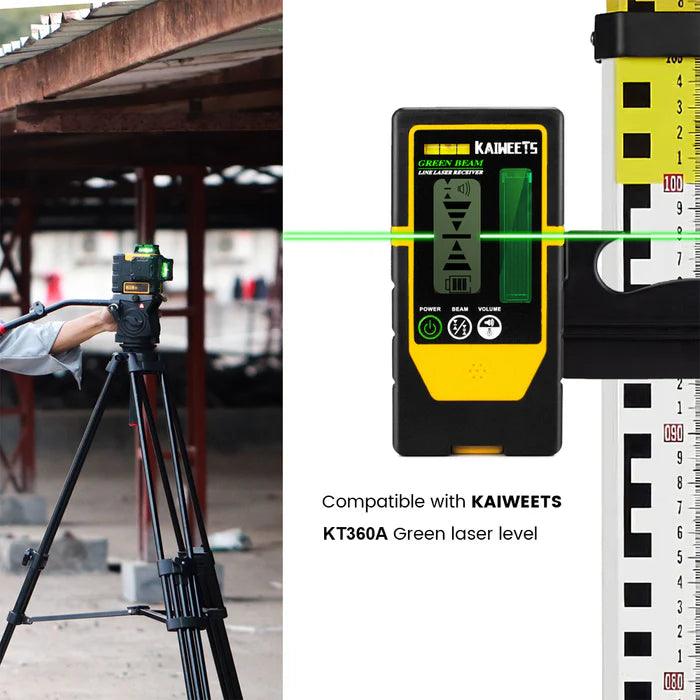
A laser receiver is essential for outdoor work or situations where the laser line is not visible to the naked eye, such as in bright sunlight or over long distances. It picks up the laser beam and displays the position of the line, making it easier to align objects even when the beam itself cannot be seen. A laser receiver extends the range and usability of your laser level, particularly for large-scale or outdoor projects.
Laser Level Tripod
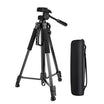
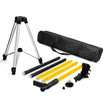
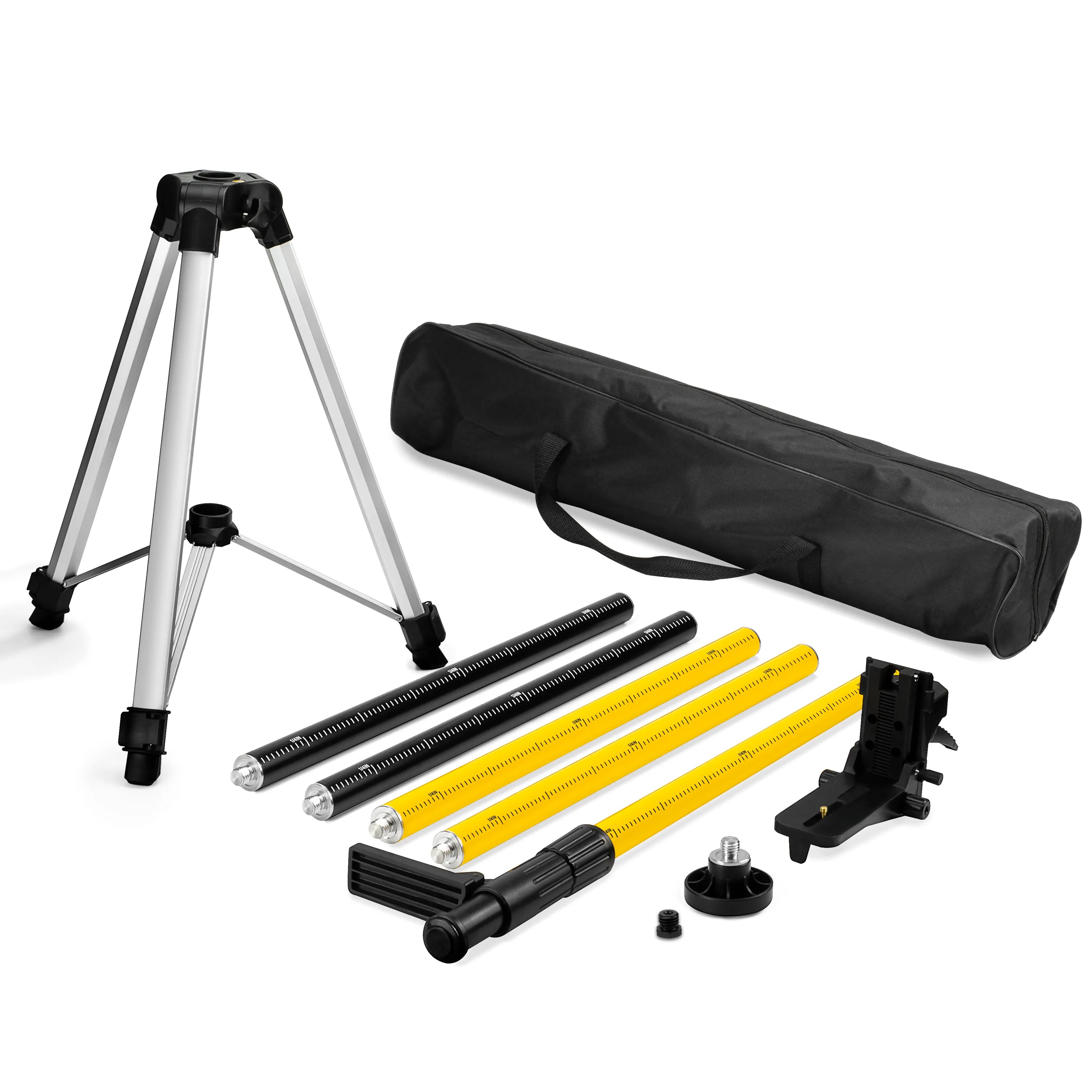
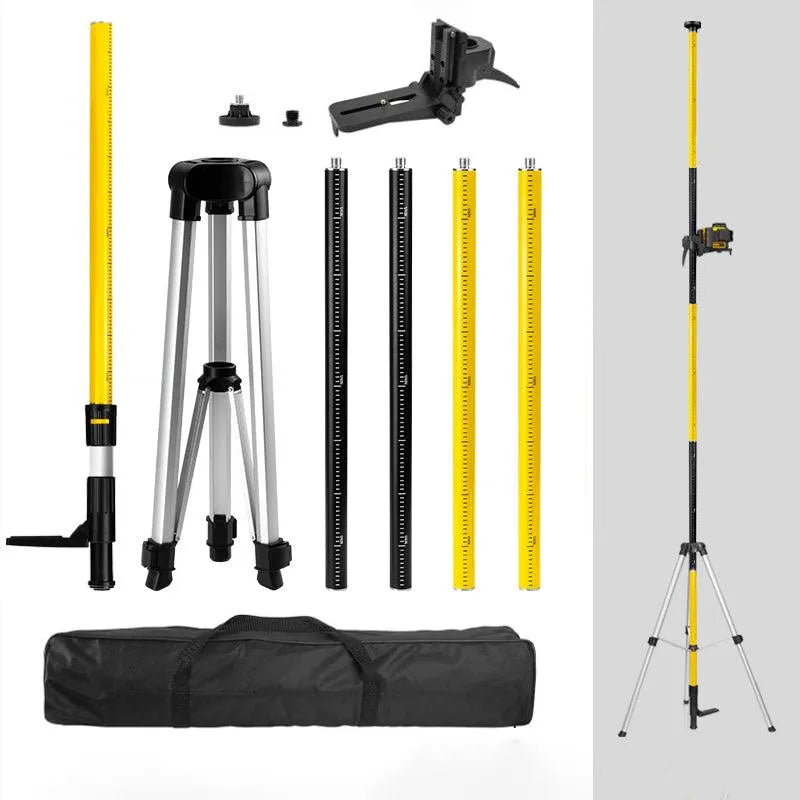
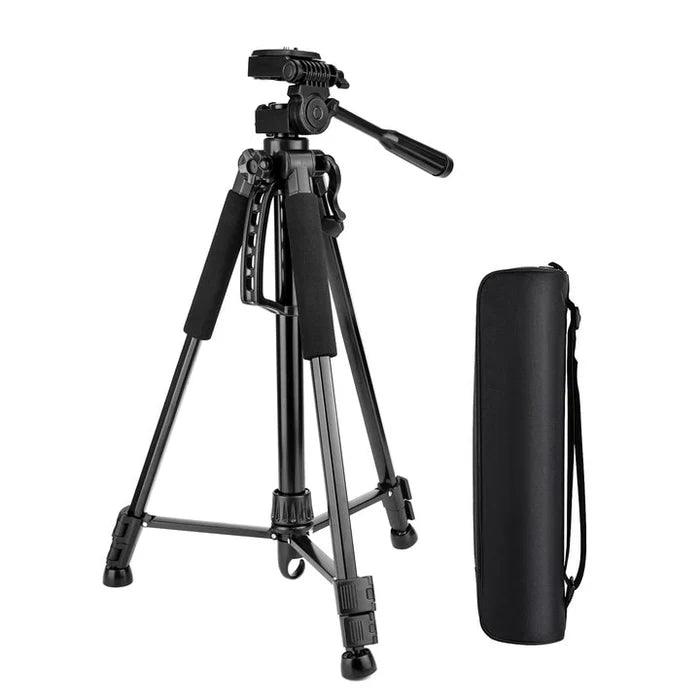
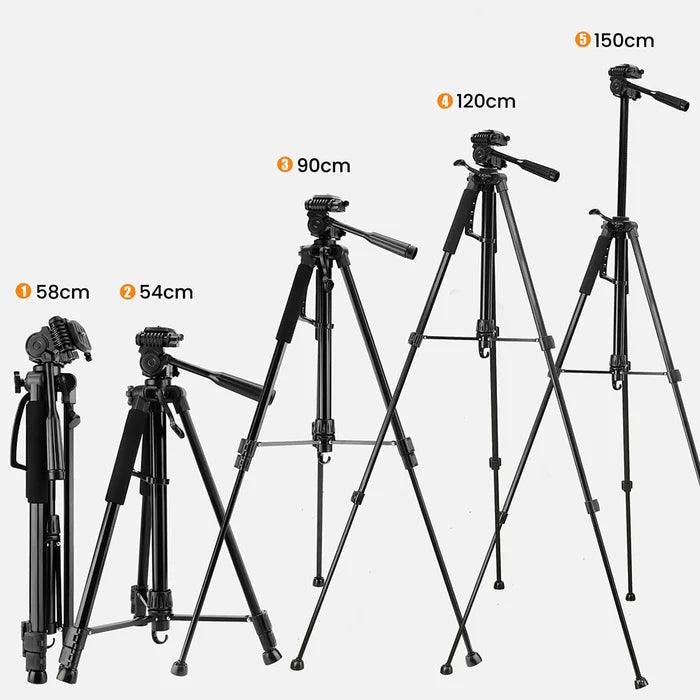
A laser level tripod is crucial for stabilizing the laser level, especially when you need to project a consistent line over longer distances or at higher angles. For most indoor use, a tripod with an adjustable height of around 3 to 5 feet should suffice. However, for ceiling work or outdoor projects, you may need a taller tripod (up to 6 feet or more) to provide better flexibility and height control. A tripod ensures that your laser level remains steady and allows for precise alignment when setting up for large tasks.
Laser Enhancement Glasses
Laser enhancement glasses help improve the visibility of the laser line, especially in bright or reflective environments. These glasses filter out excess light, allowing you to see the laser line more clearly and with greater contrast. While not always necessary, these glasses are particularly useful for outdoor work or large spaces with poor ambient light.
Laser Level Magnetic Bracket
A magnetic bracket allows you to securely attach your laser level to metal surfaces, such as pipes, studs, or steel beams. This is particularly useful in construction settings where you need to keep the tool in place while working on high, vertical, or hard-to-reach surfaces. A magnetic bracket provides added stability and flexibility, allowing you to quickly adjust the laser level without needing to reposition it manually.
Why Choose KAIWEETS Laser Levels?
KAIWEETS laser levels are developed with a focus on precision, visibility and long-term reliability. Each tool is designed to meet the practical requirements of professional users while remaining accessible for serious DIY projects.
Professional-Grade Accuracy
KAIWEETS is committed to the continuous development of professional-grade laser levels. Our engineering team focuses on achieving industry-leading accuracy standards through careful design, testing and calibration. Each laser level is calibrated to meet strict professional requirements, helping ensure consistent alignment and dependable results across a wide range of applications.
Industry-Leading Clarity
Clear, highly visible laser lines are essential for efficient layout and alignment work. KAIWEETS engineers place particular emphasis on laser diode stability and optical consistency, ensuring the projected lines remain sharp, stable and easy to see in typical working environments. This attention to laser quality helps improve visibility across different distances and lighting conditions.
Extended Battery Capacity
KAIWEETS laser levels are designed with large-capacity batteries to support extended use without frequent recharging. This allows users to stay focused on the task at hand, whether working through long indoor installations or extended layout projects.
Reliable Warranty and Support
KAIWEETS backs its laser levels with up to three years of warranty coverage, providing added confidence and long-term value. In addition to warranty support, users benefit from responsive customer service and technical assistance, ensuring that help is available when needed.
Experience the difference with KAIWEETS professional laser levels and discover the precision and efficiency they can bring to your next project.