

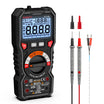
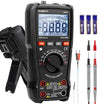

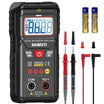
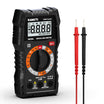
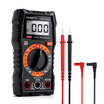
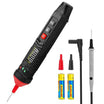
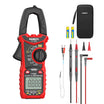
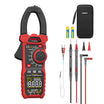
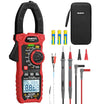
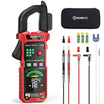
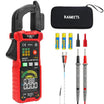
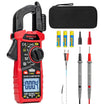
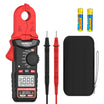


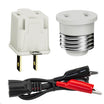
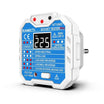
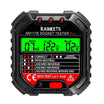
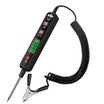





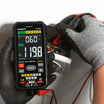
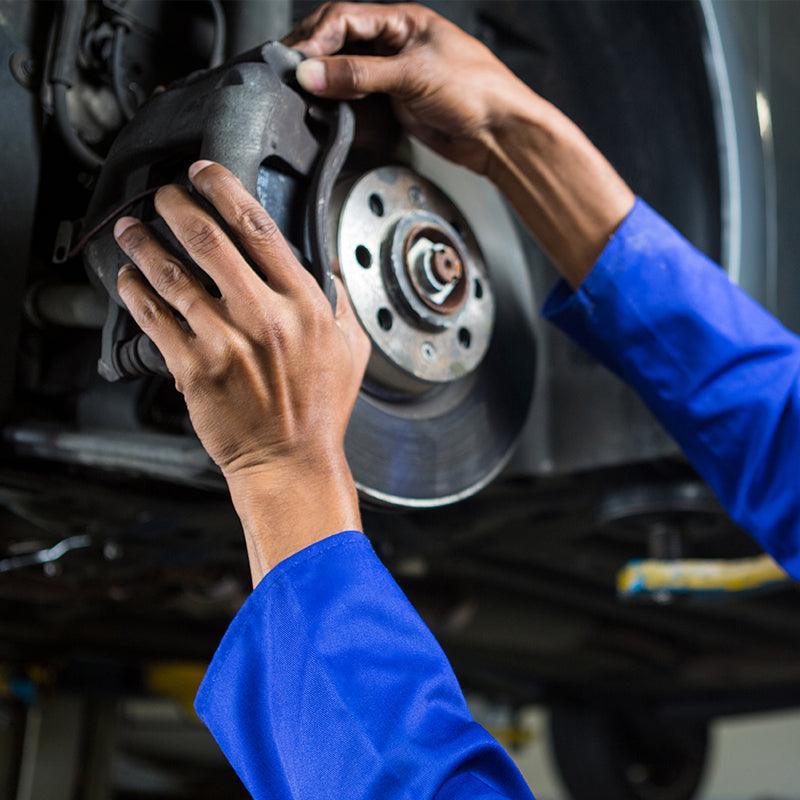
If you tow a trailer with electric brakes, a multimeter can help you check whether the brake circuit is getting power and whether the brake magnets are within a normal range. This test is useful, but it is not a complete brake inspection. Mechanical adjustment and worn linings still matter, so use a multimeter as one part of your trailer safety check.
Can You Test Trailer Brakes With a Multimeter?
Yes, but a multimeter is mainly useful for testing electric trailer brakes. It can check voltage, resistance, continuity, and current draw in the brake circuit.
A multimeter cannot fully test surge trailer brakes because surge brakes are hydraulic. For those systems, you need to inspect the actuator, brake fluid, lines, and wheel brake parts. If your trailer uses electric-over-hydraulic brakes, a multimeter may help check the electrical signal, but hydraulic diagnosis still requires a proper brake inspection.
Which Type of Trailer Brake Do You Have?
The test method depends on whether the trailer uses electric brakes or surge brakes. Before using a multimeter, confirm which system is installed on your trailer.
| Brake Type | How It Works | Can a Multimeter Help? |
|---|---|---|
| Electric trailer brakes | A brake controller sends power to magnets inside the brake assemblies. | Yes. You can test voltage, current draw, and magnet resistance. |
| Surge trailer brakes | The trailer’s forward motion compresses a hydraulic actuator at the coupler. | Only in a limited way. The main inspection is mechanical and hydraulic. |
Electric Trailer Brakes
Electric trailer brakes use an electromagnet inside each brake assembly. When the brake controller sends power to the circuit, the magnet helps apply the brake shoes against the drum.
This system depends on clean wiring and a strong ground. A weak connection can make the brakes feel delayed, uneven, or too weak.
Surge Trailer Brakes
Surge trailer brakes do not use a standard electric brake controller. The trailer’s momentum pushes on the coupler and creates hydraulic pressure.
If surge brakes feel weak, check the actuator and fluid condition first. A multimeter will not tell you whether the hydraulic parts are working correctly.
What Do You Need Before Testing Trailer Brakes?
You need a meter that can safely measure the part of the circuit you are testing. For most trailer brake checks, a digital multimeter with DC voltage and resistance modes is enough. If you are not familiar with basic meter setup, it helps to review how to use a multimeter before working on the brake circuit.
- A digital multimeter
- A DC amp clamp or a meter rated for the expected current
- Wheel chocks
- Your trailer brake service manual
- Basic hand tools for opening junction boxes or disconnecting magnet leads
Do not measure resistance on a live circuit. Turn off power and disconnect the part you are testing before using ohms or continuity mode.
What Readings Should Electric Trailer Brakes Have?
Healthy electric trailer brakes should draw current within the range specified for the brake size and number of brakes. The values below are common reference ranges at about 12–13 volts.
| Brake Size | 2 Brakes | 4 Brakes | 6 Brakes |
|---|---|---|---|
| 10-inch or 12-inch brake drums | 7.5–8.2 amps | 15.0–16.3 amps | 22.6–24.5 amps |
| 7-inch brake drums | 6.3–6.8 amps | 12.6–13.7 amps | 19.0–20.6 amps |
Individual brake magnets can also be checked by resistance. A common reference range is 3.0–3.8 ohms for many 10-inch and 12-inch brake magnets. For many 7-inch magnets, the range is about 3.8–4.0 ohms.
Always compare your results with the brake manufacturer’s service information. Brake size, magnet design, and controller output can affect the reading.
How Do You Test Electric Trailer Brakes With a Multimeter?
Start at the tow vehicle connector, then move toward the individual brake magnets. This helps you find whether the problem is coming from the controller, the wiring, or one brake assembly.

Step 1: Park Safely and Secure the Trailer
Park on a level surface before testing. Chock the wheels so the trailer cannot move while you work.
Turn off unnecessary electrical loads. If you need to lift a wheel for a brake check, support the trailer with proper jack stands.
Step 2: Check Brake Controller Output
Set the multimeter to DC voltage. Place the black probe on a known good ground, then place the red probe on the trailer brake output circuit.
On most meters, the DC voltage setting is marked with a V symbol and a straight line; if the markings are unclear, check the multimeter symbols before testing.
On many 7-way trailer connectors, the electric brake circuit is connected to the blue wire. Do not rely on wire color alone if the trailer has been repaired before. Confirm the connector layout for your trailer.
Activate the manual override on the brake controller. The reading should rise as output increases. Some proportional controllers may not send full output while parked, so use the controller’s manual test or diagnostic function when available.
Step 3: Check the Ground Path
A poor ground can make trailer brakes act weak or intermittent. With power off, use continuity mode to check the ground path between the trailer connector ground and the brake ground connection.
If the reading is unstable, inspect the ground point. Clean away rust, paint, and loose hardware before testing again.
Step 4: Measure Total Brake Circuit Current
Current testing shows how much power the brake magnets are drawing. Use a DC clamp meter around the brake output wire, or connect an ammeter inline only if the meter is rated for the expected amps.
Apply the brake controller output and compare the reading with the reference table above. A reading that is too high can point to a shorted magnet or wiring fault. A reading that is too low can point to weak power, poor ground, or an open brake magnet.
Step 5: Test Each Brake Magnet Resistance
Disconnect the magnet wires before measuring resistance. Set the multimeter to ohms and touch one probe to each magnet wire.
If one magnet reads far outside the expected range, that magnet may be damaged. If all magnets are low, confirm that you are testing each magnet separately and not measuring through another part of the circuit.
Step 6: Check for a Short to Ground
A brake magnet should not show continuity between a magnet wire and the metal body of the magnet. With the magnet disconnected, place one probe on a magnet wire and the other probe on the metal base.
If the meter shows continuity, the magnet may be shorted. Replace the damaged part before towing.
Why Can Trailer Brake Voltage Look Normal but the Brakes Still Feel Weak?
Voltage alone does not prove that the brake circuit can carry enough current. A corroded connector may still show voltage on a meter but fail under load.
If voltage looks normal, check current draw next. Then inspect the ground and wiring size. A long trailer with undersized brake wiring can lose power before it reaches the rear axle.
Mechanical condition also matters. A worn brake shoe or poorly adjusted drum brake can still perform badly even when the electrical readings look normal.
How Do You Test Trailer Breakaway Brakes?
A breakaway test checks whether the trailer battery can apply the brakes if the trailer separates from the tow vehicle. This system must be in good condition before towing.
Charge the breakaway battery first. Follow the breakaway system manufacturer’s instructions, then pull the breakaway pin briefly and confirm the trailer resists movement.
Do not leave the pin out longer than needed. The breakaway battery can drain quickly, and the brakes can overheat if they stay applied.
If the breakaway brakes do not work, do not tow the trailer until the system is repaired.
What Are Signs of Bad Trailer Brakes?
Bad trailer brakes often show up as weak stopping, uneven braking, or warning messages from the brake controller. Do not ignore these signs, even if the trailer still moves normally.
- The trailer pushes the tow vehicle during stops
- One wheel locks before the others
- The brake controller shows overload or disconnected warnings
- You hear grinding from a wheel brake
- A brake drum becomes much hotter than the others
- The breakaway system does not apply the brakes
If you notice any of these problems, stop towing when it is safe. Electrical testing may help locate the fault, but brake hardware should also be inspected.
When Should You Get Professional Help?
You should get professional help if the trailer brakes still feel weak after the electrical readings look normal. That usually means the problem may be mechanical or hydraulic.
A technician should also inspect the trailer if the wiring is damaged, the brake controller keeps showing faults, or the breakaway system fails. Trailer brakes are safety equipment, so guessing is not worth the risk.
Frequently Asked Questions
Can I test surge trailer brakes with a multimeter?
No, not in the same way you test electric trailer brakes. Surge brakes are hydraulic, so the main checks involve the actuator, fluid, lines, and wheel brake hardware.
Should trailer brakes always show 12 volts?
No. A brake controller often varies voltage based on gain setting, brake input, and controller type. Some controllers will not send full output while the vehicle is stationary.
Can a multimeter tell me if trailer brakes are adjusted correctly?
No. A multimeter can test the electrical side, but it cannot confirm brake shoe adjustment. You still need a mechanical inspection and a safe road test.
What does low amperage mean on electric trailer brakes?
Low amperage can mean the brake circuit has a weak connection or poor ground. It can also mean one brake magnet is open or not connected.
What does high amperage mean on electric trailer brakes?
High amperage can point to a shorted magnet or damaged wiring. Stop testing and inspect the circuit before applying power again.
Final Safety Check Before Towing
Testing trailer brakes with a multimeter is a practical way to find electrical problems before they become dangerous. Check voltage, current draw, and magnet resistance in a safe order.
Before every trip, also confirm that the brake controller is set correctly and the breakaway battery is charged. If the trailer does not brake smoothly during a safe low-speed test, fix the issue before driving on public roads.
Dig deeper:

Leave a comment
All comments are moderated before being published.
This site is protected by hCaptcha and the hCaptcha Privacy Policy and Terms of Service apply.