

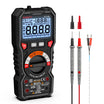
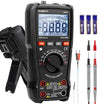

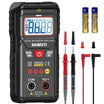
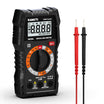
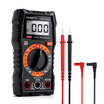
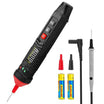
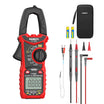
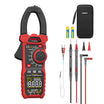
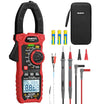
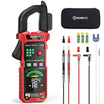
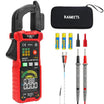
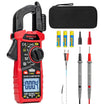



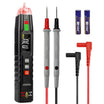


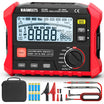














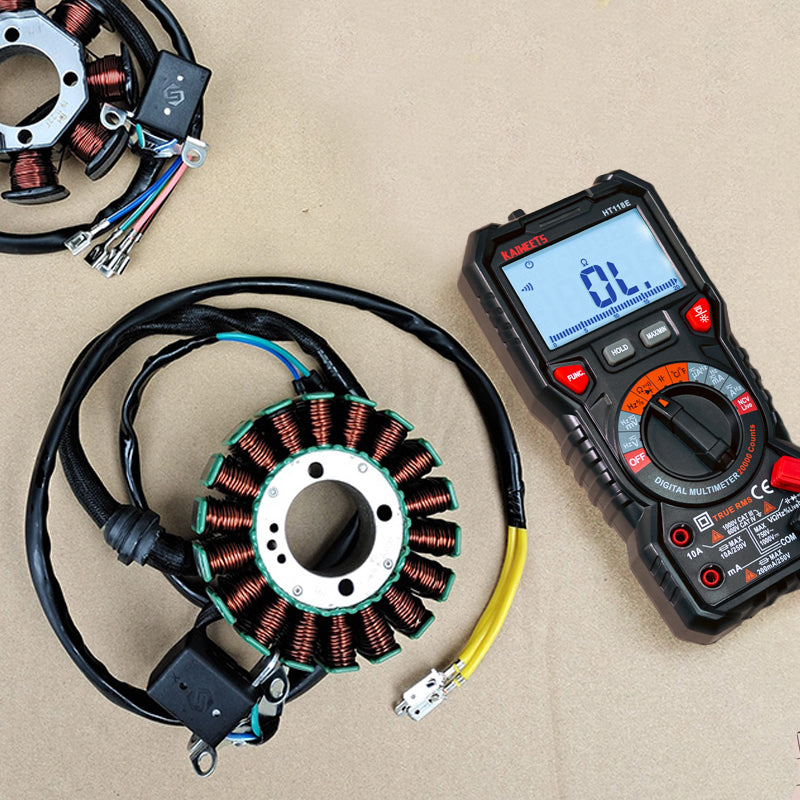
Testing a stator with a multimeter. can help you find charging problems before you replace the battery or regulator by mistake. This guide focuses on motorcycle and scooter stators, where the stator produces AC power and the regulator-rectifier converts it for the battery.
What is a stator?
A stator is the stationary coil assembly inside many motorcycle charging systems. As the engine runs, magnets move past the stator windings and create alternating current.
The stator does not regulate the charging voltage by itself. That job belongs to the regulator-rectifier, which converts AC power into DC power and helps keep the battery voltage within a safe range.
When a stator fails, the battery may keep going flat even after charging. You may also notice dim lights, weak starting, melted connectors, or charging voltage that does not rise when the engine is running.
How do you test a stator with a multimeter?
You test a stator by checking winding resistance, checking for a short to ground, and then measuring AC output while the engine is running. Always compare your results with the service manual for your exact vehicle.
Before you start, turn the ignition off and let hot engine parts cool. Do not let the multimeter probes short two stator pins together during a running voltage test. If you are not comfortable working near a running engine, ask a qualified technician to handle the test.
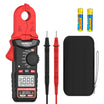
If you are not familiar with changing between resistance, continuity, and AC voltage modes, review how to use a multimeter before testing the stator. This will help you choose the right setting and avoid confusing readings.
Step 1: Locate the stator connector
The stator connector is usually found between the engine case and the regulator-rectifier. Many three-phase stators use three same-colored wires, but wire colors vary by model.
Unplug the stator connector so you can test the stator side directly. Check the connector first. Burn marks, loose terminals, or green corrosion can cause charging problems even when the stator itself is still good.
Step 2: Set the multimeter to resistance
Resistance mode checks whether the stator windings have a complete electrical path. Set your multimeter to the lowest ohms range, or use auto-range if your meter has it.
Touch the two probes together first and note the reading. Very low stator resistance can be close to the resistance of the test leads, so this quick check helps you avoid misreading the result.
Step 3: Measure resistance between stator wires
Measure between each pair of stator wires. On a three-wire stator, test A-B, B-C, and A-C.
| Test point | What you want to see | What it may mean if the result is wrong |
|---|---|---|
| A-B | A low reading within the service manual range | An open or damaged winding |
| B-C | A reading close to the other phase pairs | An uneven or failing winding |
| A-C | A stable reading similar to the other pairs | A weak connection or internal damage |
The exact resistance value depends on the stator design. Many motorcycle stators read very low resistance, so do not judge the stator by a generic number alone.
Step 4: Check for a short to ground
A ground test checks whether the stator winding insulation has failed. Keep the stator unplugged and set the multimeter to resistance or continuity mode.
Place one probe on a stator wire and the other probe on clean engine ground. Repeat this for each stator wire. A good stator should usually show no continuity to ground.
If the meter beeps or shows a low resistance reading to ground, the stator is likely shorted. In that case, replacing the stator is usually safer than trying to repair the winding.
Step 5: Test AC voltage output
An AC output test shows whether the stator can generate power while the engine is running. Set the multimeter to AC volts and keep the stator disconnected from the regulator-rectifier unless your service manual says otherwise.
Start the engine and measure between each stator wire pair. The readings should be fairly even across all pairs, and the voltage should rise as engine speed increases.
Do not focus only on one voltage number. A healthy value at idle can vary by vehicle, and higher RPM readings can vary even more. The service manual is the standard you should trust.
Step 6: Decide what the results mean
The stator is likely faulty if resistance is outside the manual’s range, one phase reads very different from the others, or any stator wire has continuity to ground.
If the stator passes these tests but the battery still does not charge, check the regulator-rectifier next. Also inspect the battery, main fuse, and charging connectors before replacing parts.

What multimeter settings do you need for a stator test?
For a stator test, you will mainly use the Ω setting for resistance, the continuity setting for ground checks, and the V~ setting for AC output. These multimeter symbols may look slightly different depending on the model, but the function is the same.
A digital multimeter with stable low-ohm readings is helpful because many stator windings have very low resistance.
| Multimeter setting | Use it for | Important note |
|---|---|---|
| Ohms / Ω | Checking winding resistance | Compare with the service manual |
| Continuity | Checking for a short to ground | Use only with the engine off |
| AC volts / V~ | Checking stator output | Use care around a running engine |
What usually causes a stator to fail?
Stators usually fail because heat, vibration, moisture, or poor connections damage the windings over time. A failed regulator-rectifier can also stress the charging system and make stator problems worse.
- Insulation failure
The insulation around the windings can break down from heat or age. Once insulation fails, the winding may short internally or short to ground.
- Corrosion
Moisture can corrode terminals and increase resistance at the connector. This creates heat and can eventually damage the stator plug.
- Loose connections
A loose stator connector can cause unstable charging output. It can also create enough heat to melt the plastic housing.
- Overheating
Excessive heat can weaken winding insulation and shorten stator life. Poor oil condition may also matter on engines where the stator runs in oil.
- Winding shorts
A winding short changes the electrical path inside the stator. The result is often weak AC output or uneven readings between phases.
If you suspect a stator problem, test the full charging system before ordering parts. A bad connector or regulator-rectifier can look like a bad stator during a quick check.

Frequently Asked Questions:
What should I do if my stator fails the multimeter test?
If your stator fails the resistance test, ground test, or AC output test, inspect the connector and wiring before replacing it. If the wiring is sound and the stator still fails, replacement is usually the correct repair.
What type of multimeter should I use for testing stators?
Use a digital multimeter that can measure low resistance and AC voltage. Continuity mode is also helpful for checking whether a stator wire is shorted to ground.
Can a stator pass a resistance test and still be bad?
Yes. A stator can pass a basic resistance test but still fail when hot or under load. That is why AC output testing and connector inspection are important parts of diagnosis.
Should I test the battery before testing the stator?
Yes. A weak or discharged battery can confuse charging system diagnosis. Charge and test the battery first, then test the stator and regulator-rectifier if the charging problem remains.
Conclusion:
Testing a stator with a multimeter is a practical way to narrow down motorcycle charging problems. Start with the static resistance and ground checks, then use AC voltage mode to confirm output while the engine is running.
Do not replace the stator based on one vague symptom. Compare your readings with the service manual, inspect the connector, and check the regulator-rectifier if the stator readings look normal.



Leave a comment
All comments are moderated before being published.
This site is protected by hCaptcha and the hCaptcha Privacy Policy and Terms of Service apply.