

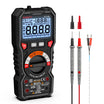
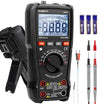

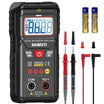
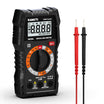
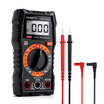
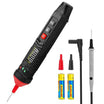
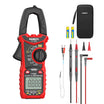
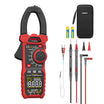
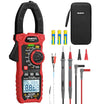
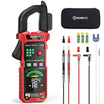
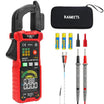
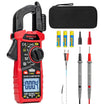
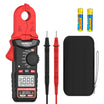
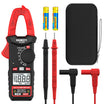



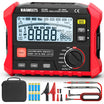









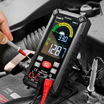
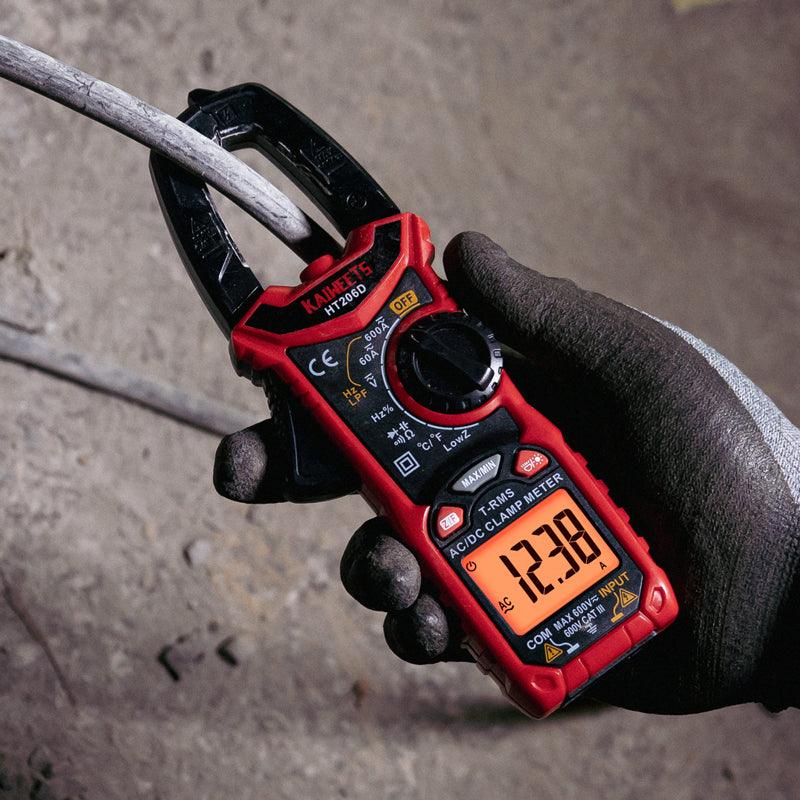
To measure current without breaking a circuit, use a clamp meter. A clamp meter measures current by clamping around a single conductor, so you do not need to cut the wire or place the meter in series with the circuit.
This method is useful when you want to check load current while the circuit is still operating. It is commonly used for troubleshooting appliances, motors, HVAC equipment, automotive circuits, and electrical panels. The key is to use the right meter, choose the correct setting, and clamp around only one current-carrying conductor.
Can you measure current without breaking a circuit?
Yes, you can measure current without breaking a circuit by using a clamp meter around one conductor. The meter senses the magnetic field created by current flow and converts it into an amp reading.
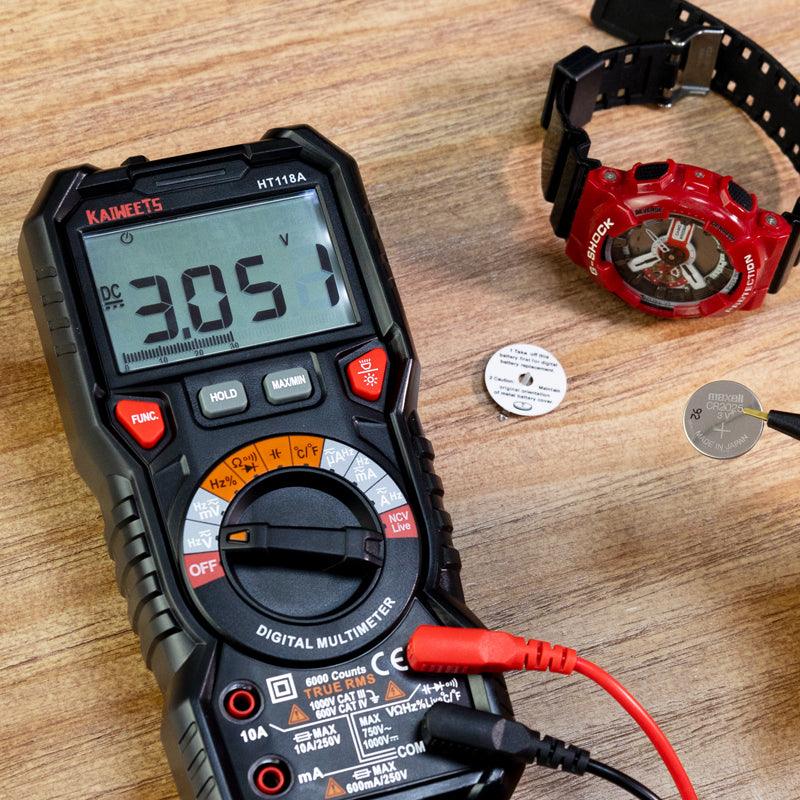
A standard digital multimeter usually measures current by becoming part of the circuit. That means the circuit must be opened, and the meter must be connected in series. A clamp meter avoids that step, which makes current checks faster and less disruptive.
The clamp method does not work correctly if you clamp around an entire power cord that contains both live and neutral wires. The magnetic fields can cancel each other out, leaving you with a zero or unstable reading. Separate the conductor first, or use a line splitter designed for clamp meter measurements.
What does current mean in a circuit?
Current is the flow of electric charge through a circuit, and it is measured in amperes, usually shortened to amps or A. When a device draws power, current flows through the conductor feeding that load.
Knowing the current helps you understand whether a circuit is carrying a normal load. It can also help you find overloads, weak components, or equipment that is drawing more current than expected.
How does a clamp meter measure current?
A clamp meter measures current by sensing the magnetic field around a conductor. When current flows through a wire, it creates a magnetic field, and the clamp converts that field into a current reading.
Many clamp meters measure AC current. Some models also measure DC current, but they need a different sensing method. Before testing, check whether your meter supports AC amps, DC amps, or both.
For best accuracy, close the jaw fully and keep the conductor centered inside the clamp. If the jaw is not fully closed, the reading may drift or become inaccurate.
What tool should you use to measure current without cutting a wire?
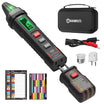
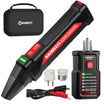
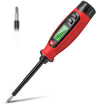
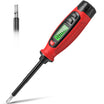
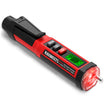
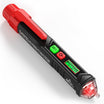
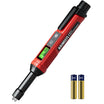
A clamp meter is the right tool for measuring current without cutting a wire. A non-contact voltage tester can help detect voltage, but it cannot measure current in amps.
| Tool | What it does | Best use |
|---|---|---|
| Clamp meter | Measures current around one conductor | Checking load current without opening the circuit |
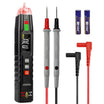
| Digital multimeter | Measures voltage, resistance, continuity, and current depending on the model | General electrical testing |
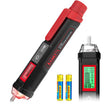
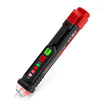
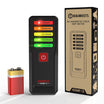
| Non-contact voltage tester | Detects the presence of AC voltage | Quick safety checks before touching wires |
A non-contact voltage tester is useful, but it should not be treated as a current meter. If it lights up or beeps, it is telling you that voltage may be present. It is not telling you how much current is flowing.
What safety checks should you make before using a clamp meter?
Before using a clamp meter, make sure the meter is rated for the circuit and the environment you are testing. Current measurement may not require metal probe contact, but you may still be working near hazardous live conductors.
- Use a meter with a CAT rating that matches the job.
- Inspect the clamp jaw, case, and test leads before use.
- Keep your fingers behind the tactile barrier on the meter.
- Do not exceed the voltage or current rating marked on the tool.
- Do not work alone near exposed live conductors.
- Wear proper PPE when required by local electrical safety rules.
CAT ratings matter because test tools are exposed to different levels of transient voltage depending on where they are used. CAT II is commonly associated with receptacle-connected loads. CAT III applies to distribution-level equipment, and CAT IV applies closer to the utility service entrance.
If you are not trained to work inside electrical panels or around exposed live conductors, stop and call a qualified electrician. Measuring current safely is more important than getting a quick reading.
How do you measure current without breaking the circuit?
To measure current without breaking the circuit, set the clamp meter to the correct amp mode and clamp around one conductor only. The circuit can remain powered while the meter reads the current flow.
- Identify the conductor carrying the current you want to measure. Do not clamp around both live and neutral together.
- Turn the dial to AC amps or DC amps, depending on the circuit and your meter’s capability.
- Open the jaws of the clamp multimeter and place one conductor inside the clamp.
- Close the jaw fully and center the conductor as much as possible.
- Read the amp value on the display.
- Move the clamp to another conductor only if you need to compare loads at different points.

Why does a clamp meter show zero or an unstable reading?
A clamp meter often shows zero when the jaws are placed around more than one conductor. In a normal power cord, current flows out on one conductor and returns on another, so the magnetic fields can cancel each other.
If the reading looks wrong, check these common causes:
- The clamp is around both live and neutral wires.
- The meter is set to AC amps while measuring DC current.
- The conductor is not centered in the jaw.
- The jaw is not fully closed.
- The current is below the meter’s resolution.
For small current readings, use a meter with suitable resolution. Some clamp meters are designed for high-current work and may not read very low currents accurately.
Can a non-contact voltage tester measure current?
No, a non-contact voltage tester cannot measure current. It detects the presence of AC voltage by sensing an electric field near an energized conductor.
This tool is helpful for a quick live-wire check, but it does not give an amp value. It also may not detect low voltage, shielded wires, or DC circuits reliably. Always follow the tester manufacturer’s instructions and confirm critical results with a proper meter.
Frequently Asked Questions
Is it possible to measure current without breaking the circuit?
Yes, it is possible if you use a clamp meter. The clamp goes around one conductor and measures the magnetic field created by current flow.
Why do standard multimeters need to interrupt a circuit to measure current?
A standard multimeter usually measures current by being connected in series with the circuit. This lets current flow through the meter, but it requires the circuit to be opened first.
Can I clamp around an extension cord to measure current?
Usually no. If you clamp around the whole cord, the live and neutral conductors are measured together, and the reading may cancel out. Use a line splitter or access one conductor only.
Can a clamp meter measure DC current?
Only some clamp meters can measure DC current. Check the dial, manual, and specifications before using the meter on a DC circuit.
How do you know if a circuit is open or closed?
An open circuit has a break that stops current flow. A closed circuit has a complete path, so current can flow when voltage is applied.
- Check whether the device receives power.
- Look for a tripped breaker or blown fuse.
- Use continuity mode on a multimeter only after the circuit is powered off.

Conclusion
The safest practical way to measure current without breaking a circuit is to use a clamp meter around one conductor. Choose the correct AC or DC amp setting, keep the jaw fully closed, and avoid clamping around both conductors in the same cable.
A non-contact voltage tester can confirm that voltage may be present, but it does not measure current. For accurate amp readings, use a properly rated clamp meter and follow the safety instructions for your electrical environment.


Commenta
Nota che i commenti devono essere approvati prima di essere pubblicati.
Questo sito è protetto da hCaptcha e applica le Norme sulla privacy e i Termini di servizio di hCaptcha.